Maximize Your Charging Efficiency: Tips for Electric Vehicle Owners
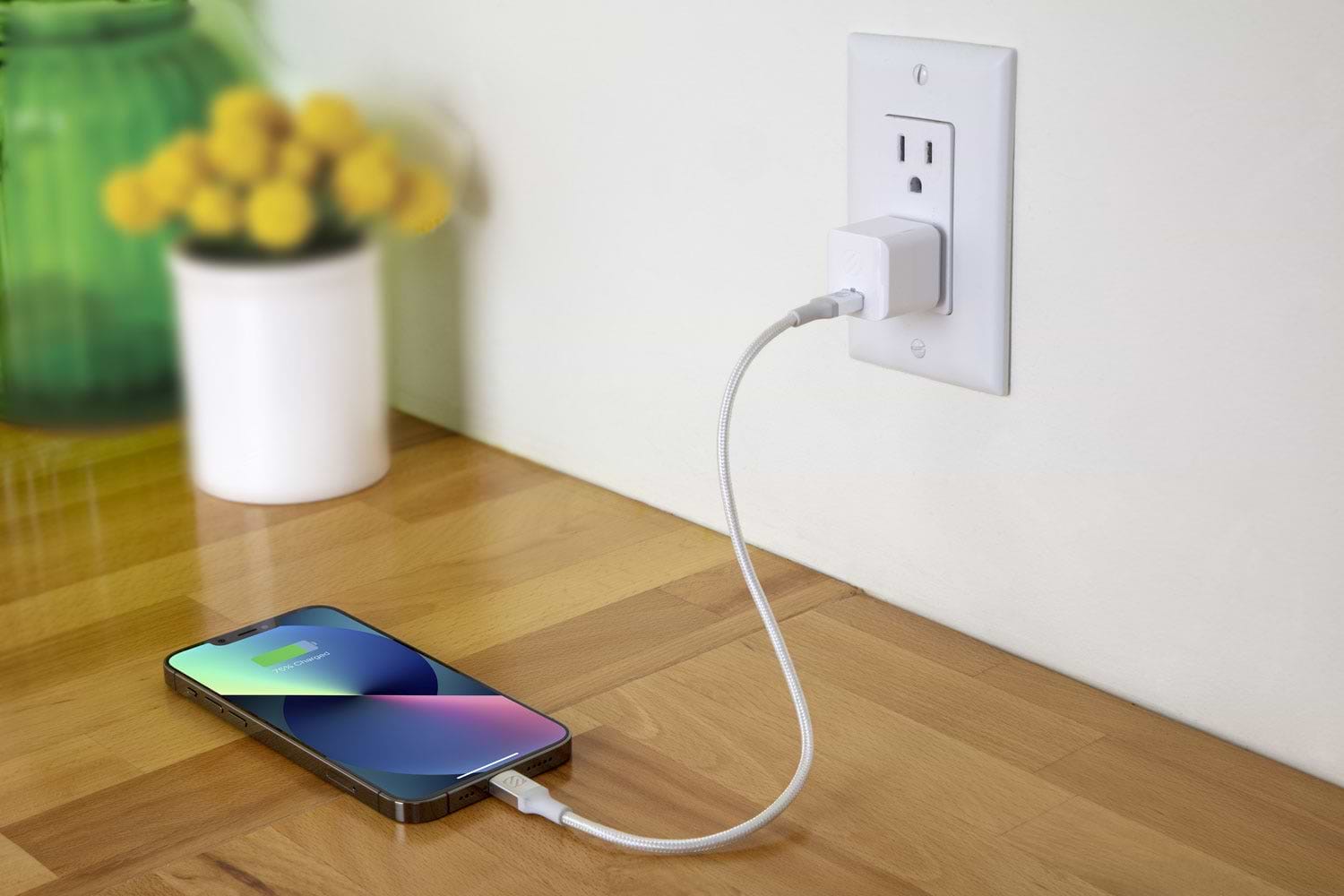
Maximizing your charging efficiency is crucial for electric vehicle (EV) owners who want to make the most out of their battery life and reduce charging costs. Start by understanding your vehicle's charging needs and the different types of charging stations available. Level 2 chargers, for instance, are typically more efficient compared to standard home outlets, and utilizing them can significantly reduce the time and cost associated with charging. Additionally, consider charging during off-peak hours to take advantage of lower electricity rates, which can enhance your overall savings.
Another key strategy to maximize your charging efficiency is to maintain your EV's battery health. Keeping your battery charged between 20-80% can help extend its lifespan and improve overall performance. Incorporating features like regenerative braking can also harness energy that would otherwise be lost, contributing to a more efficient driving experience. Lastly, always plan your trips and charging stops in advance, especially for longer journeys. Use apps that help you locate the nearest charging stations, ensuring that you get the best rates and avoid unnecessary downtime.
Counter-Strike is a highly popular first-person shooter game that focuses on team-based gameplay. Players choose to be either terrorists or counter-terrorists, with each side having specific objectives to achieve. The game has evolved over the years, becoming a staple in the esports community. For those looking to enhance their travel experience with their AirPods, check out the Top 10 Travel Accessories for AirPods that can make your journeys more enjoyable.
Understanding Different Charging Levels: What You Need to Know
When it comes to electric vehicles (EVs), understanding the different charging levels is crucial for both current and prospective owners. There are three primary levels of EV charging: Level 1, Level 2, and DC Fast Charging. Level 1 charging typically uses a standard household outlet (120V) and is the slowest option, making it ideal for overnight charging at home. In contrast, Level 2 charging (240V) is widely used in public charging stations and can significantly reduce charging time, making it more suitable for daily commutes. Lastly, DC Fast Charging is designed for long-distance travel, providing a substantial charge within a short period, often enough to cover hundreds of miles with just a 30-minute stop.
Understanding these levels can help you make informed decisions about your charging needs. Here’s a quick breakdown of how each level compares:
- Level 1: 2-5 miles of range per hour of charging
- Level 2: 10-60 miles of range per hour of charging
- DC Fast Charging: 60-100 miles of range in about 30 minutes
By knowing the benefits and limitations of each charging level, you can better align your charging habits with your lifestyle, ensuring your EV is always ready when you need it.
How to Choose the Right Charging Station for Your Electric Vehicle
Choosing the right charging station for your electric vehicle (EV) is crucial for maximizing its efficiency and ensuring your daily driving needs are met. First, consider the charging speed that suits your lifestyle. There are three main types of chargers: Level 1, Level 2, and DC fast chargers. Level 1 chargers use a standard household outlet and are best for overnight charging at home. Level 2 chargers provide faster charging and are ideal for ensuring your EV is ready for longer trips. If you frequently travel long distances, investing in a DC fast charger may be beneficial, as these can charge your vehicle to 80% in about 30 minutes.
Next, evaluate the location of the charging station. It’s essential to install the charger where it’s convenient for you, whether that’s at home or at your workplace. Additionally, check if the charging station is compatible with your make and model of EV. Some chargers come with universal plugs, while others might require specific connectors. Lastly, don't overlook any government incentives or rebates available in your area for installing EV charging stations, as these can significantly reduce your initial investment. By considering these factors, you can confidently select the best charging station to meet your needs.