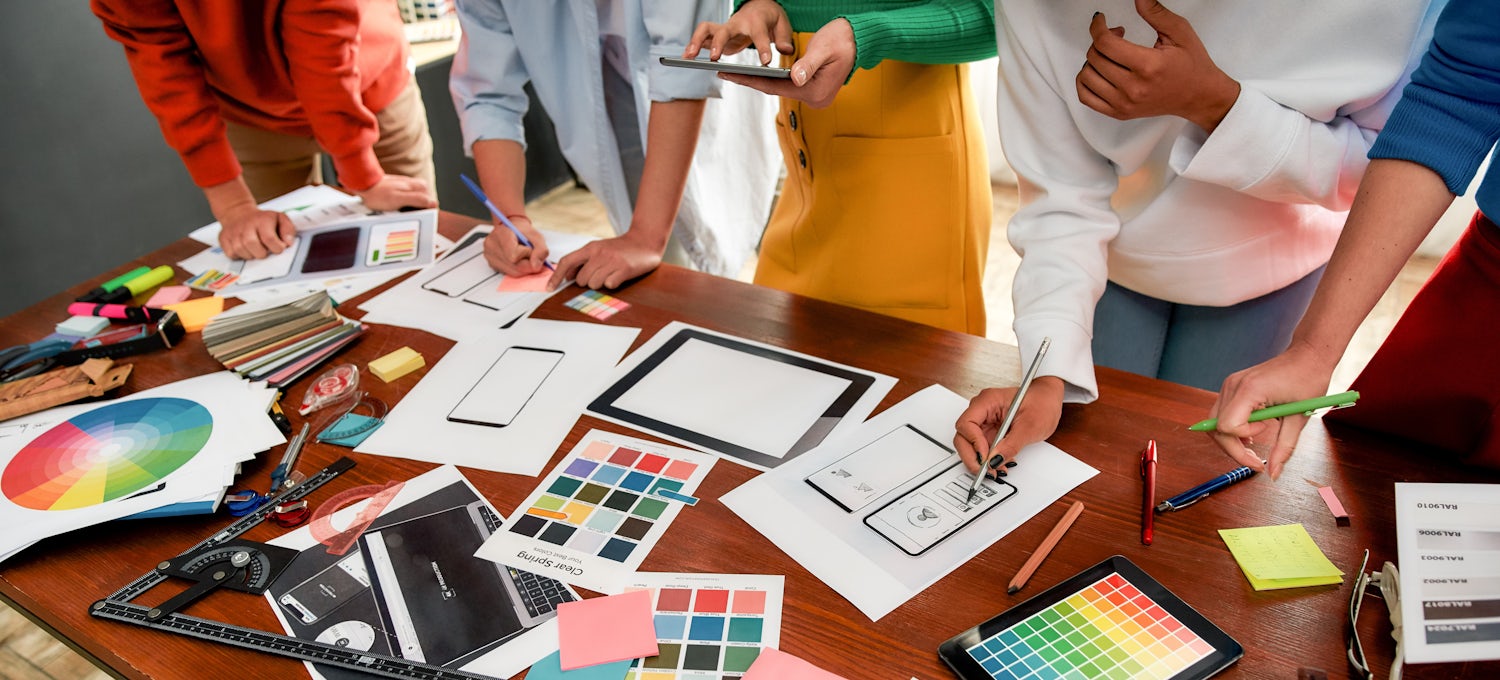
The Creative Process: How to Turn Your Ideas into Stunning Visuals
The creative process is a journey that begins with a seed of an idea and evolves into stunning visuals that captivate and engage your audience. To effectively harness your creativity, it’s essential to break down the process into manageable steps. Start by brainstorming your ideas; don’t hold back. Use tools like mind maps or lists to organize your thoughts. Once you have a collection of concepts, begin to sketch or create mood boards. This phase is all about exploration and experimentation, so allow yourself the freedom to play with different styles and elements.
After refining your ideas, it’s time to move toward implementation. Choose the right medium for your visuals, whether it be digital design, painting, or photography. Keep your goals in mind during this phase. Ask yourself questions like, "What message do I want to convey?" and "Who is my audience?" While working on your designs, focus on the elements of composition, color, and typography. Remember, each choice you make should support the overall vision of your project. Finally, don’t underestimate the power of feedback; sharing your work with others can provide invaluable insights that help you enhance your final product.
Counter-Strike is a highly competitive first-person shooter game that has been a staple in the gaming community since its inception. Players can choose from various game modes, including bomb defusal and hostage rescue, creating intense, strategic gameplay. For gamers looking to enhance their play experience, consider exploring the Top 10 Home Office Setups that can provide the ultimate comfort and efficiency during long gaming sessions.
Top Tools and Techniques for Designing Your Dream Projects
Designing your dream projects requires not just creativity but also the right tools and techniques. Whether you're an architect, a graphic designer, or a DIY enthusiast, having access to the best tools can make a significant difference in how efficiently you bring your ideas to life. Here are some essential tools to consider:
- SketchUp: A powerful 3D modeling software that allows you to visualize your project in a virtual environment.
- Canva: A user-friendly design platform perfect for creating stunning visuals and presentations.
- Adobe Creative Suite: A comprehensive bundle for any serious designer, offering tools like Photoshop and Illustrator.
In addition to the right tools, employing effective design techniques is crucial for the success of your project. Start by developing a clear vision and purpose for your design, which will serve as a roadmap throughout the process. Furthermore, consider adopting these techniques:
- Iterative Design: Embrace feedback and make improvements continuously to refine your project.
- Prototyping: Create quick models or drafts of your design to visualize its practicality and aesthetics.
- User-Centric Approach: Always design with the end user in mind to ensure your project is functional and appealing.
Common Questions About Visual Design: What You Need to Know
Visual design plays a crucial role in how information is presented and perceived. One common question about visual design is, 'What are the core principles of effective visual design?' Understanding the principles is essential for creating engaging and user-friendly designs. These principles include balance, contrast, alignment, and repetition. Each of these elements contributes to a cohesive design that guides the viewer’s eye and enhances overall usability.
Another frequent inquiry relates to the tools used in visual design. People often ask, 'What software is best for beginners in visual design?' While there are numerous options available, popular choices include Adobe Photoshop and Illustrator for raster and vector graphics, respectively. For those seeking free alternatives, Canva and GIMP offer user-friendly interfaces that are perfect for beginners. Regardless of the tool you choose, mastering the basics of visual design will significantly improve your skills and the impact of your work.