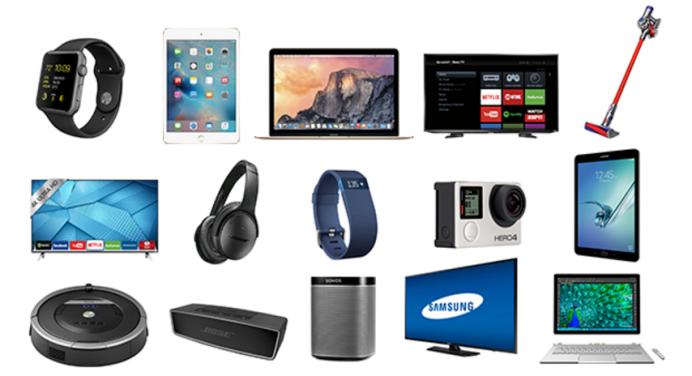
Are Electronics Enhancing Our Lives or Creating New Challenges?
The rapid advancement of electronics has undeniably enhanced our lives in numerous ways. From smartphones that keep us connected to each other, to smart home devices that streamline our daily routines, the impact of technology is profound. For instance, consider how wearable electronics like fitness trackers have revolutionized personal health management, allowing users to monitor their activity levels, sleep patterns, and even heart rates in real-time. Moreover, in education, electronic resources such as e-books and online courses have made knowledge more accessible, empowering individuals around the globe.
However, alongside these benefits, new challenges have emerged as a result of our dependency on electronics. Issues such as digital privacy concerns, the impact of screen time on mental health, and the prevalence of online misinformation highlight the darker side of our technological reliance. Furthermore, the environmental impact of electronic waste poses significant challenges for sustainability. As we embrace the conveniences of modern technology, it is crucial to strike a balance between leveraging the advantages of electronics and addressing the associated challenges to create a harmonious coexistence.
Counter-Strike is a highly popular first-person shooter game that has captivated players since its release. The game emphasizes teamwork, strategy, and skill, making it a staple in competitive gaming. Many gamers also invest in various gear to enhance their performance, which brings to mind the Top 10 Tech Essentials for an optimal gaming setup.
The Impact of Electronics on Daily Life: A Double-Edged Sword?
The integration of electronics into our daily lives has been profound, transforming the way we communicate, work, and interact with our environment. From smartphones to smart homes, electronics serve as crucial tools that enhance productivity and connectivity. Smart devices allow us to manage tasks more efficiently, while social media platforms enable instant communication, bridging geographical divides. According to recent studies, the average person spends over six hours a day on electronic devices, illustrating their pervasive presence. However, this constant engagement raises concerns about dependence and its impact on mental health.
On the flip side, the reliance on electronics also introduces significant challenges. The phenomenon of digital addiction can lead to decreased face-to-face interactions, fostering a sense of isolation among individuals. Moreover, the constant influx of digital information can result in cognitive overload, making it difficult for people to focus. A balanced approach is essential; while electronics enhance our lives, it’s crucial to recognize their potential downsides. As we navigate this digital age, understanding the double-edged sword nature of electronics becomes increasingly important in shaping a healthier relationship with technology.
How to Ensure Your Electronics Work For You, Not Against You
In today's fast-paced digital landscape, ensuring that your electronics work for you, not against you, is essential for productivity and peace of mind. Start by organizing your workspace effectively. This includes managing your cables, keeping your devices updated, and utilizing software tools that enhance efficiency. For instance, employing task management apps can help streamline your daily activities and reduce distractions. Remember, a well-organized environment can drastically improve how your electronics serve your needs.
Furthermore, it's crucial to stay informed about the latest technology trends and updates. By regularly investing time in learning about new features, security measures, and compatibility issues, you can optimize your electronics for better performance. Consider subscribing to tech blogs or following industry experts on social media. These sources can provide valuable insights to ensure your devices remain aligned with your goals and work smoothly in your daily routines.