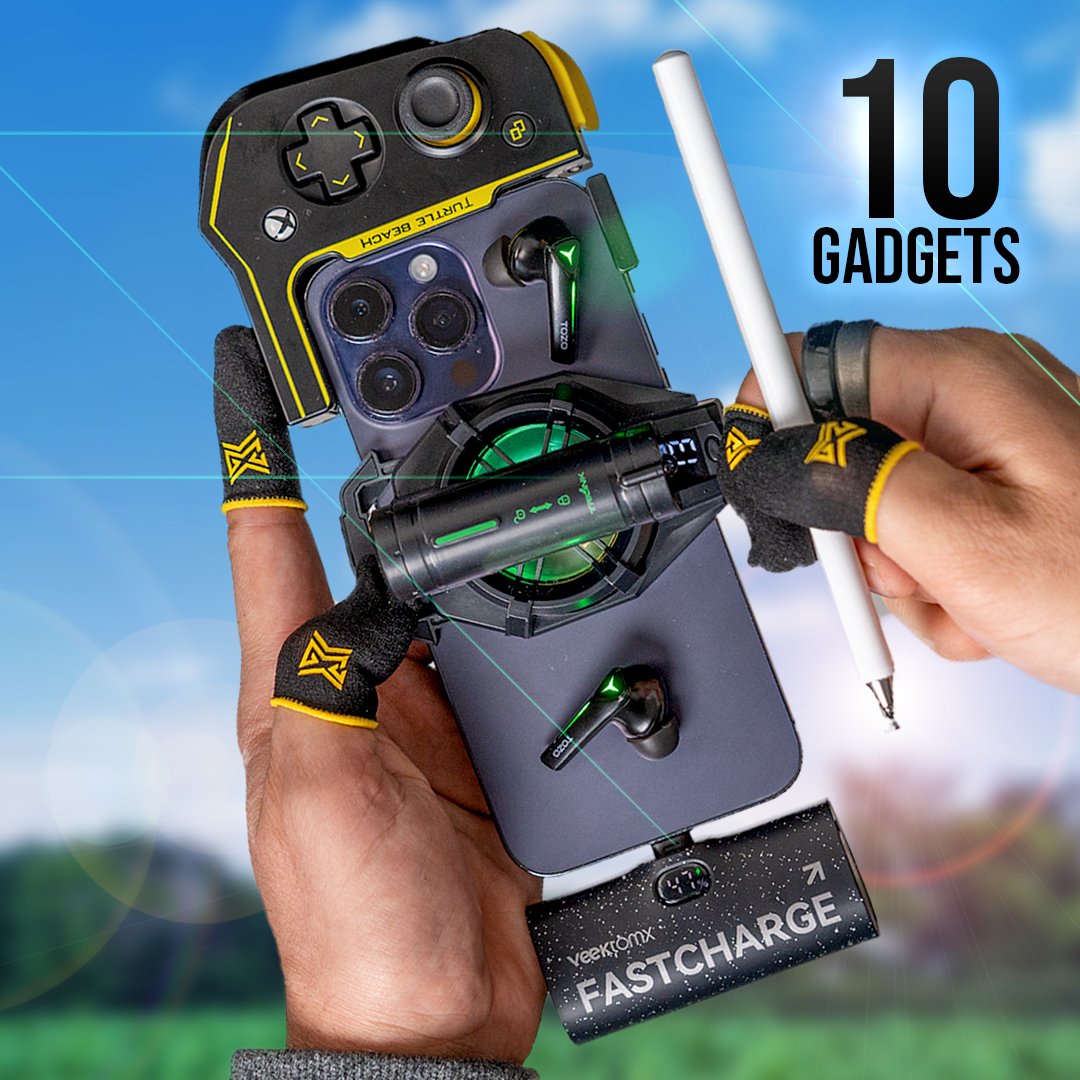
10 Mind-Blowing Gadgets That Make You Feel Like You're in a Sci-Fi Movie
In today's world, technology often feels like it has leaped straight out of a sci-fi movie. From talking robots to augmented reality devices, the gadgets on the market push the boundaries of our imagination. Here are 10 mind-blowing gadgets that not only enhance your daily life but also make you feel like you’ve stepped into a futuristic universe. Each of these innovations showcases incredible advancements, making the once improbable now a fantastic reality:
- Augmented Reality Glasses - Transform your environment with overlays of information and holograms. Imagine navigating your city or playing games in your living room!
- Smart Home Robots - These multifunctional assistants can clean, cook, and even provide companionship, blurring the lines between technology and human-like interaction.
- Wearable Health Devices - Monitor your vitals and fitness levels with gadgets that seem like they belong to a superhero.
Counter-Strike is a highly popular tactical first-person shooter game that pits teams of terrorists against counter-terrorists in various objective-based scenarios. Players can choose from different game modes, and their success often depends on teamwork, strategy, and individual skill. For gamers looking to enhance their mobile experience with their Samsung devices, check out the Top 10 Samsung Galaxy S Accessories to find the best gear.
Are These Futuristic Gadgets the Key to Our Sci-Fi Dreams?
As technology continues to evolve at a breakneck pace, futuristic gadgets are becoming increasingly integral to our daily lives, often resembling the tools and devices we once only saw in science fiction. From smart home systems that learn our habits to augmented reality glasses that overlay digital information onto the real world, these innovations are not just novelties; they are transforming our expectations of what is possible. Imagine a future where your morning coffee is brewed automatically as you wake or where you navigate crowded city streets with the help of AI-powered navigation systems that understand real-time traffic trends. The reality is that many of these advancements are already here, paving the way for a more connected and intelligent existence.
Moreover, the rise of wearable technology, such as fitness trackers and smartwatches, is bridging the gap between science fiction and reality. These devices collect data that not only help us monitor our health but also allow for predictive insights that can lead to a more proactive approach to wellness. In parallel, innovations in robotics and artificial intelligence are set to revolutionize industries, enhancing productivity and leading us towards a future where our sci-fi dreams of automating mundane tasks become a reality. While some skeptics argue that this push towards high-tech living could overshadow the intrinsic value of human connection, it is essential to recognize that these gadgets hold the potential to enrich our lives and redefine the way we interact with the world around us.
The Evolution of Technology: Are We One Step Closer to Living in a Sci-Fi World?
The evolution of technology has been nothing short of remarkable over the past few decades, propelling us from the realm of science fiction into a reality that resembles our wildest imagination. From the rise of artificial intelligence and machine learning to advancements in robotics and virtual reality, we are witnessing a seamless merging of the digital and physical worlds. As we continue to invent and innovate, the question arises: are we truly one step closer to living in a sci-fi world? The rapid development of smart technologies, such as self-driving cars and smart home devices, showcases how profoundly our daily lives are being transformed, making once futuristic concepts now commonplace.
However, this swift progression does come with its challenges and ethical considerations. As we integrate technologies like biotechnology and augmented reality into our everyday existence, we must address issues related to privacy, security, and the potential loss of jobs. Moreover, the reliance on tech can lead to questions about human connection and our interaction with the natural world. As we stand on the brink of this technological revolution, it is important to reflect on how we want to shape our future. Will we enhance human potential and creativity, or will we find ourselves living in a dystopian landscape reminiscent of the very sci-fi stories we admire?