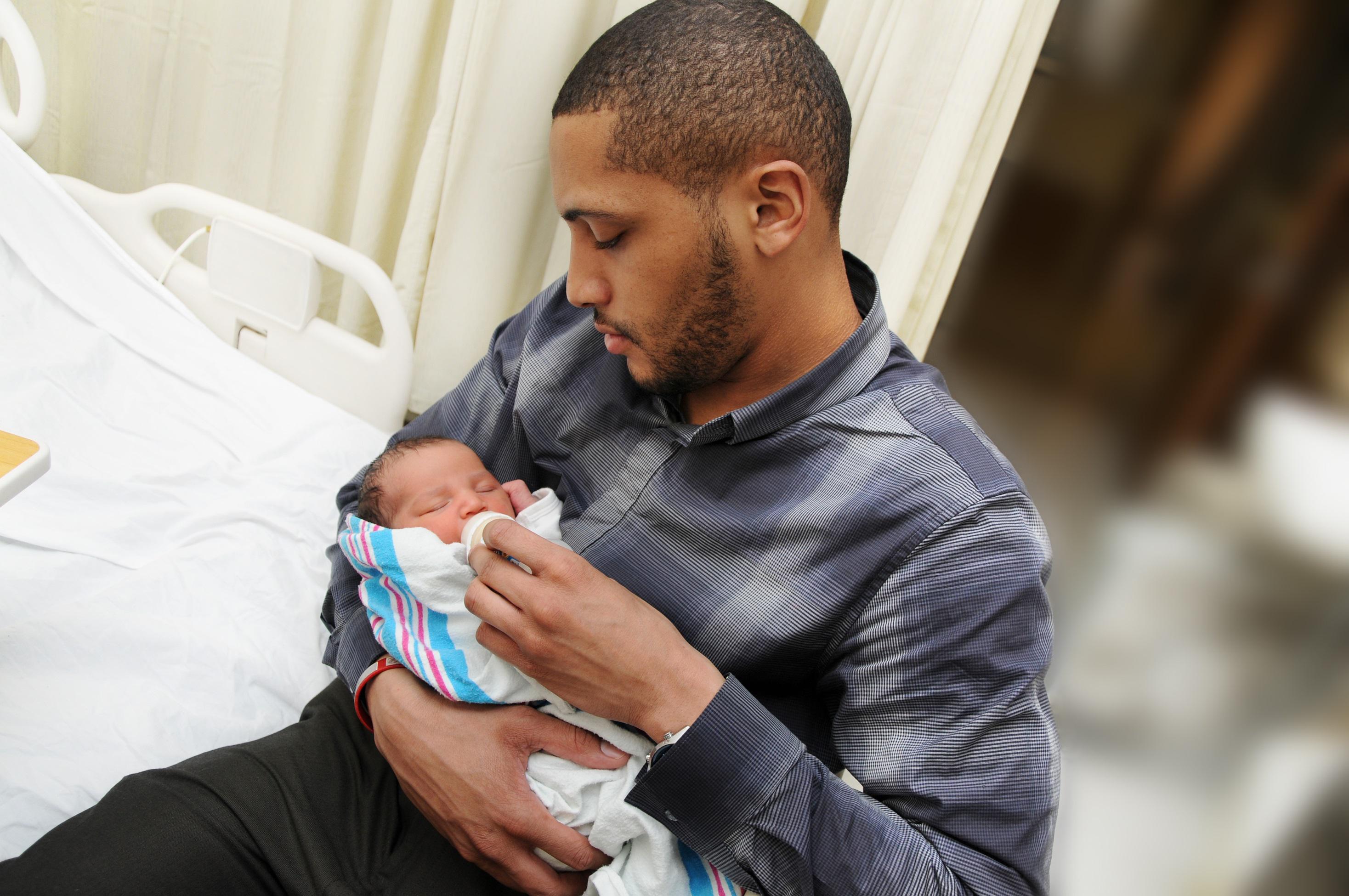
Essential Sleep Strategies for New Parents: How to Cope with Newborn Sleep Disruptions
Essential Sleep Strategies for New Parents can make a world of difference in coping with the challenges of newborn sleep disruptions. The arrival of a baby brings immense joy, but it can also mean sleepless nights. To tackle this, it’s important to establish a routine as early as possible. Consider implementing a consistent nighttime ritual that might include a warm bath, gentle rocking, or a lullaby. These activities signal to your little one that it’s time to wind down, helping them develop a healthy sleep pattern.
Furthermore, new parents should also prioritize their own rest. Whenever your baby sleeps, try to seize the opportunity to nap yourself. Sleep deprivation can affect mood and cognitive function, making it even harder to care for your newborn. Additionally, don’t hesitate to ask for help from family or friends. Create a support system that allows for shared responsibilities; this can be invaluable during those tough early days. Remember, taking care of yourself is as vital as caring for your newborn.
Counter-Strike is a highly popular multiplayer first-person shooter that pits teams of terrorists against counter-terrorists in various game modes. Players can choose from different weapons and strategies to complete objectives such as planting bombs or rescuing hostages. For parents looking for quick solutions, check out the Top 10 Fast Bottle Warmers for efficient baby care while enjoying a gaming session.
The Ultimate Guide to Safe Sleep Practices for Your Newborn
Ensuring that your newborn enjoys a safe sleep environment is crucial for their health and well-being. In this ultimate guide to safe sleep practices for your newborn, we will cover essential tips that every parent should know. First and foremost, always place your baby on their back to sleep, as this position significantly reduces the risk of Sudden Infant Death Syndrome (SIDS). Additionally, it's important to use a firm mattress in a safety-approved crib, bassinet, or play yard, and to avoid placing soft bedding, pillows, or stuffed animals in the sleep area, as these can pose suffocation hazards.
Another key aspect of safe sleep practices is maintaining a comfortable room temperature. The ideal sleeping environment is between 68°F and 72°F (20°C to 22°C) to prevent overheating. You may also want to consider using a sleep sack instead of loose blankets, which can help keep your newborn warm without risking entrapment. Lastly, always keep your baby's sleep space free from any hazards, and consider utilizing a pacifier during naps and bedtime, as research suggests it may further lower the risk of SIDS. By following these guidelines, you can create a safe and nurturing sleep environment for your newborn.
How Can I Help My Newborn Sleep Better: Expert-Approved Tips for Sleep-Deprived Parents
Bringing home a newborn is a joyous experience, but it often comes with sleepless nights and fatigue for new parents. To enhance your newborn's sleep quality, it's essential to establish a consistent bedtime routine. According to pediatric sleep experts, creating a calming environment can significantly influence your baby's ability to fall and stay asleep. Consider dimming the lights, playing soft lullabies, and maintaining a comfortable room temperature around 68-72°F (20-22°C). These small adjustments can help signal to your baby that it's time to wind down.
In addition to creating a soothing sleep space, understanding your baby's sleep cycles is crucial. Newborns typically sleep for short periods, ranging from 2 to 4 hours, and may not yet differentiate between day and night. To help your little one establish a more predictable sleep pattern, try to expose them to natural light during the day and limit stimulation at nighttime. Combining these expert-approved strategies can lead to more peaceful nights for both you and your newborn, ensuring you’re better equipped to handle the challenges ahead.