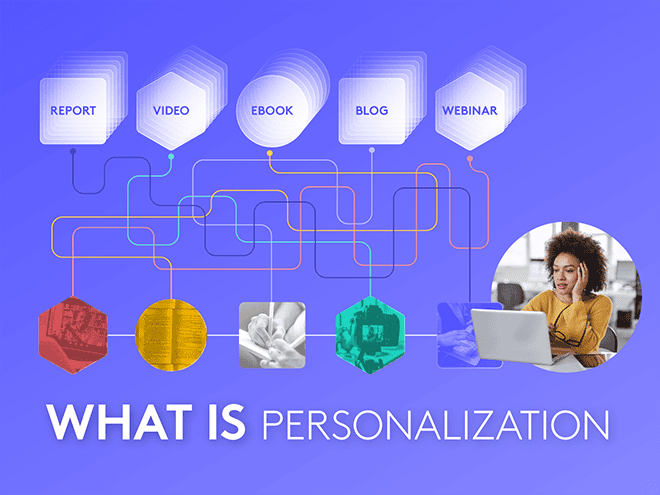
How Personalization Drives Engagement in a Chaotic Digital Landscape
In today's chaotic digital landscape, where countless messages compete for attention, personalization has emerged as a critical strategy for engaging users. By tailoring content and experiences to individual preferences and behaviors, businesses can create a more meaningful connection with their audience. For instance, personalization can involve recommending products based on past purchases or curating content specific to a user's interests. This custom approach not only enhances user experience but also significantly increases engagement levels, as users are more likely to interact with brands that understand their unique needs.
Moreover, research shows that personalization can drastically improve customer satisfaction and loyalty. Brands that implement personalized marketing strategies can keep their audience engaged through targeted email campaigns, social media interactions, and interactive website features. Customers respond positively to tailored experiences, which fosters a sense of value and connection. As a result, businesses can expect higher conversion rates and an increase in overall brand advocacy. In such a competitive and noisy environment, investing in personalization is no longer an option; it's a necessity for successful engagement.
Counter-Strike is a popular multiplayer first-person shooter that has garnered a massive following since its release. Players can choose to be part of either a terrorist or counter-terrorist team, engaging in intense tactical gameplay. For those looking for the Top 10 Hard Shell Cases for AirPods, having a dependable gear setup can make all the difference in maintaining focus during competitive matches.
Unlocking the Power of Customized Experiences: Strategies for Success
In today's competitive market, customized experiences have emerged as a dominant strategy for brands seeking to foster lasting connections with their customers. By leveraging data analytics, businesses can gain insights into consumer behavior and preferences, allowing them to tailor their offerings. Implementing personalized marketing campaigns, such as targeted email promotions or product recommendations, can significantly enhance customer engagement and retention. Additionally, brands can utilize customer feedback to continually refine their strategies, ensuring that their customized experiences remain relevant and impactful.
To successfully unlock the power of customized experiences, companies should consider adopting a multi-channel approach. This might include the integration of social media platforms, mobile apps, and websites to create a seamless customer journey. Furthermore, utilizing tools like AI-driven chatbots can help personalize interactions in real-time, providing customers with immediate assistance and recommendations based on their unique preferences. By focusing on these innovative strategies, businesses can not only improve customer satisfaction but also drive higher conversion rates and foster brand loyalty.
Can Personalization Overwhelm Users? Navigating the Fine Line Between Customization and Chaos
In today's digital landscape, personalization has become a key strategy for businesses to enhance user experience and engagement. However, when pushed too far, personalization can quickly tip into chaos, leaving users feeling overwhelmed. For instance, consider the fine line between helpful recommendations and intrusive suggestions. Users often appreciate tailored content, but when inundated with an excess of choices—especially if those choices feel irrelevant or forced—users can experience decision fatigue. It’s essential for brands to strike a balance and ensure that personalization remains a tool for convenience rather than a source of confusion.
To navigate this delicate balance, businesses should focus on implementing a few core principles of effective personalization. First, prioritize user consent and preferences, allowing users to control the extent of their personalization settings. Second, maintain clarity in the presentation of personalized content; while it may be tempting to showcase a wide array of options, a streamlined approach can enhance user satisfaction. Lastly, regularly solicit feedback to adjust the personalization algorithms and keep them aligned with users’ evolving needs. By being mindful of these strategies, brands can enhance user experience without crossing into the realm of chaos.