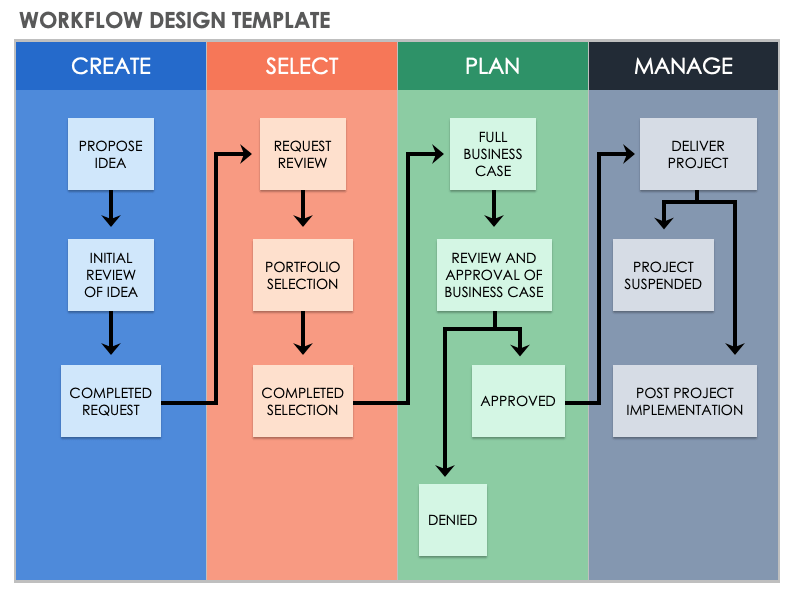
Mastering the Art of Workflow: Strategies to Enhance Creativity
Mastering the art of workflow is essential for anyone looking to enhance creativity and productivity. A well-structured workflow not only streamlines your tasks but also creates an environment where innovative ideas can flourish. Here are a few effective strategies to help you improve your workflow:
- Prioritize Tasks: Start each day by identifying the most critical tasks. Use tools like to-do lists or project management software to keep track of your priorities.
- Set Time Limits: Allocate specific time blocks for each task. This method, known as the Pomodoro Technique, can help maintain focus and prevent burnout.
- Minimize Distractions: Create a dedicated workspace where interruptions are kept to a minimum. Silence notifications and designate specific times to check emails or social media.
Incorporating regular breaks into your workflow can also significantly boost your creativity. Creative breakthroughs often happen when you step away from your work. Consider scheduling short pauses to recharge your mind and allow ideas to flow more freely. Additionally, don't hesitate to experiment with different workflows until you find one that sparks your creativity. Each person's ideal workflow may look different, but by mastering the elements that work best for you, you'll be well on your way to unlocking your full creative potential.
Counter-Strike is a popular first-person shooter franchise that pits teams of terrorists against counter-terrorists. The gameplay focuses on teamwork, strategy, and skill, making it a favorite among competitive gamers. Players can enhance their gaming experience with various tools and gadgets; for instance, check out the Top 10 tech accessories for creators to improve your setup.
From Overwhelm to Inspiration: Key Techniques for Creative Workflow Management
Experiencing overwhelm in creative projects is a common challenge for many individuals. Amid the demands of deadlines, creative blocks, and the pressure to produce high-quality work, it can be difficult to organize thoughts and tasks effectively. To counter this, implementing structured techniques for creative workflow management can help transform that stress into inspiration. Begin by breaking your project into smaller, manageable tasks; using a digital tool or simple to-do list can streamline this process. Prioritize these tasks by their urgency and importance, creating a clear roadmap to follow. Additionally, setting specific time blocks for creative work, free from distractions, can significantly enhance focus and productivity.
Incorporating regular breaks and reflective practices can further optimize your creative workflow. For example, the Pomodoro Technique, which involves working for 25 minutes followed by a 5-minute break, not only aids concentration but also prevents burnout. Moreover, take time to assess your progress and celebrate small victories along the way. Remember, inspiration often strikes unexpectedly; thus, maintaining an open and flexible mindset can lead to surprising creative breakthroughs. By adjusting your approach from feeling overwhelmed to fostering inspiration, you’ll cultivate a healthier and more productive creative process.
How to Create a Seamless Workflow: Tips for Turning Chaos into Creative Flow
Creating a seamless workflow is essential for anyone looking to turn chaos into creative flow. The first step is to identify the key areas of chaos in your current process. Start by assessing your daily tasks and noting which activities cause frustration or delays. Once you have pinpointed these areas, you can implement strategies to streamline them. For example, consider using project management tools such as Trello or Asana to organize tasks efficiently and monitor progress. Additionally, adopting techniques like the Pomodoro Technique can help to maintain focus and break down work into manageable intervals.
Another crucial aspect of creating a seamless workflow is establishing clear communication channels. Make sure all team members are aware of their roles and responsibilities, and encourage open dialogue about project updates and potential roadblocks. Using collaborative communication tools like Slack or Microsoft Teams can greatly enhance team interaction and prevent misunderstandings. Finally, don’t forget to regularly review your workflow and make adjustments as necessary. This continuous improvement approach will ensure that you remain agile and responsive, ultimately allowing your creativity to flow without interruption.