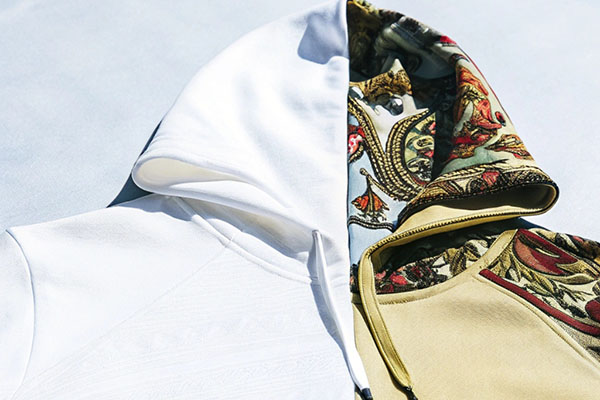
Stitch vs. Print: Which Method is Best for Custom Hoodies?
When it comes to customizing hoodies, stitching and printing are the two primary methods available, each boasting its unique advantages. Stitching, also known as embroidery, involves using threads to create a raised design that is both durable and visually appealing. This method is particularly favored for its longevity, as embroidered designs can withstand multiple washes without fading or peeling. Additionally, embroidery offers a premium look that can enhance the overall quality of the custom hoodie, making it perfect for corporate branding or high-end merchandise.
On the other hand, printing encompasses several techniques such as screen printing and direct-to-garment (DTG) printing, which allow for intricate designs and vibrant colors. This method is generally more cost-effective for larger quantities, as setup costs can be distributed across multiple items. Furthermore, printed designs can cover larger areas and offer a wider range of colors, making it an ideal choice for complex graphics. Ultimately, the decision between stitching and printing will depend on your specific needs, budget, and the desired aesthetic of your custom hoodies.
If you're a fan of the iconic series, you'll want to check out the latest merchandise available at the dragon ball shop. From action figures to apparel, there’s something for every Dragon Ball enthusiast. Don’t miss out on unique collectibles and gear that showcase your love for the franchise!
The Ultimate Guide to Hoodie Customization: Stitching and Printing Explained
When it comes to hoodie customization, choosing the right method of stitching and printing can significantly enhance the final product. Each technique offers unique benefits, and understanding them is essential for creating a piece that stands out. For instance, embroidery is a popular choice for its durability and professional finish, making it perfect for logos or intricate designs. On the other hand, screen printing is ideal for vibrant colors and large graphics, typically used for bulk orders. Below are some common techniques:
- Embroidery: Best for logos and small designs.
- Screen Printing: Great for colorful designs, ideal for larger orders.
- Heat Transfer: Good for detailed graphics and personal designs.
To ensure your hoodie customization process is seamless, consider the following tips. First, always choose high-quality materials for both the hoodie and the printing or stitching method. This ensures that your designs will last through washes and wear. Second, consult with professionals who specialize in hoodie customization to understand the capabilities and limitations of each technique. Lastly, don’t hesitate to experiment with different combinations of stitching and printing methods to find what resonates with your brand’s identity. Remember, a well-customized hoodie can become not just a piece of clothing, but a statement of style!
Top 5 Factors to Consider When Choosing Between Stitching and Printing Your Hoodie
When it comes to customizing your hoodie, one of the most important decisions you'll face is whether to print or stitch your design. Each method has its own advantages and drawbacks that can significantly impact the final look and feel of your apparel. Here are the top five factors to consider when making this choice:
- Durability: Stitching typically offers greater longevity compared to printing. If you’re looking for a design that will withstand frequent washing and wear, embroidery is the way to go.
- Cost: Printing can often be a more affordable option, especially for bulk orders, allowing you to create vibrant designs without breaking the bank.
- Detail: If your design includes intricate details, printing may be the better choice. Stitching can limit the complexity that can be achieved without compromising on quality.
- Aesthetic: The visual appeal of your hoodie is crucial. Stitching can provide a textured and high-end look, while printing can offer bright colors and smooth finishes.
- Fabric Considerations: Not all fabrics are suitable for both methods. Ensure that you choose a fabric that complements your desired customization technique.