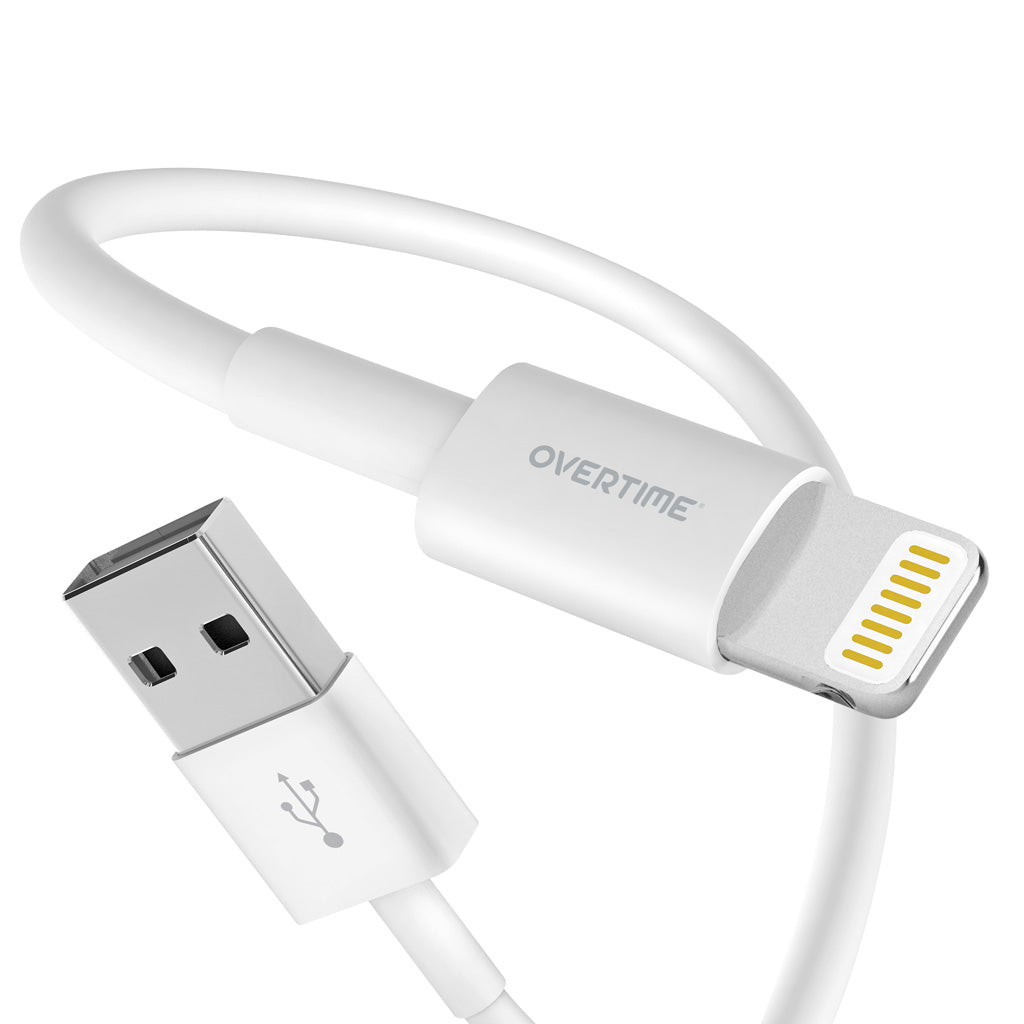
How Do Different iPhone Chargers Affect Your Battery Life?
When it comes to iPhone chargers, many users may not realize that the type and quality of the charger can significantly impact their device's battery life. Using the original charger that comes with your iPhone or a certified third-party option ensures proper voltage and current delivery, which minimizes the risk of overheating. On the other hand, using low-quality or counterfeit chargers can lead to inconsistent power flow and even damage the battery over time. It's important to consider this aspect, as investing in a reliable charger can prolong the lifespan of your device's battery and enhance its overall performance.
Additionally, charging your iPhone with a higher-wattage charger, such as the ones provided for the iPad or MacBook, may seem like a quick solution for boosting your battery but can have adverse effects if not managed properly. Although iPhones are designed to regulate the amount of power received, frequent use of a higher watt charger may lead to faster battery deterioration. Therefore, it is wise to stick with chargers that are Apple-certified and appropriate for your specific model. This simple choice can help you maintain optimal battery health and maximize the longevity of your iPhone.
Counter-Strike is a popular first-person shooter game series known for its tactical gameplay and competitive nature. Players can choose to be part of either the terrorist or counter-terrorist team, engaging in various objectives to win rounds. Alongside the excitement of gaming, ensuring your devices are charged and ready is vital, which is why you should check out the Top 10 iphone charging cables to keep your equipment powered up during intense matches.
The Science of Fast Charging: What Really Happens to Your iPhone?
The science behind fast charging your iPhone is a fascinating interplay of technology and chemistry. When you connect your device to a fast charger, it uses a higher voltage and current to power up your battery more quickly compared to standard chargers. Apple's fast charging technology allows an iPhone to charge up to 50% in just 30 minutes, thanks to the use of USB Power Delivery (USB-PD) protocols. This protocol facilitates communication between the charger and the device, ensuring that the right amount of power is delivered safely, without overheating or damaging the battery.
However, while fast charging can be incredibly convenient, it's essential to understand the implications for your battery's longevity. Over time, charging at high speeds can generate heat, which, in excess, may lead to battery degradation. To mitigate this, iPhones employ smart management systems that regulate charging speed, especially as the battery approaches full capacity. In summary, understanding the science of fast charging not only enhances your charging experience but also helps you take better care of your iPhone’s battery life.
Can Using a Non-Apple Charger Damage My iPhone?
Many iPhone users wonder, can using a non-Apple charger damage my iPhone? The short answer is, it depends. While Apple devices are designed to work best with Apple-approved accessories, many third-party chargers are compliant with safety standards and can be used without issue. However, using a low-quality or unapproved charger can lead to problems such as overheating, slower charging speeds, or even damage to your iPhone's battery and internal components. Always look for chargers that have been certified by Apple, indicated by the 'MFi' (Made for iPhone) logo to ensure compatibility.
In addition to damage concerns, using a non-Apple charger may also void your warranty. If your device is harmed due to the use of a non-certified accessory, Apple might refuse to repair it, citing misuse. Therefore, to avoid any potential risks, it's advisable to stick with chargers that meet Apple’s rigorous standards. If you must use a third-party option, ensure it is from a reputable brand, has good user reviews, and comes with built-in safety features to protect your device.